
Published Issue 151, October 2026
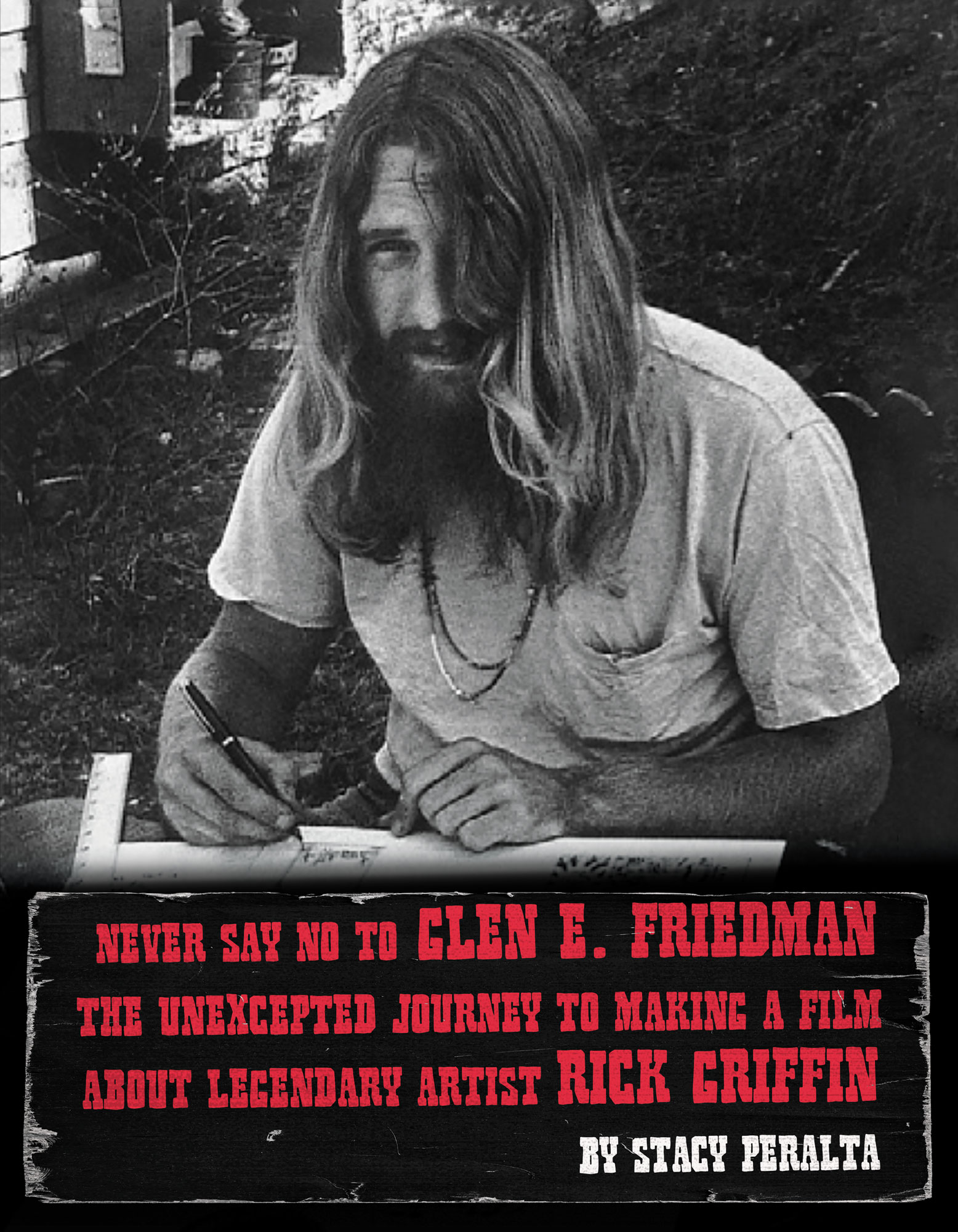
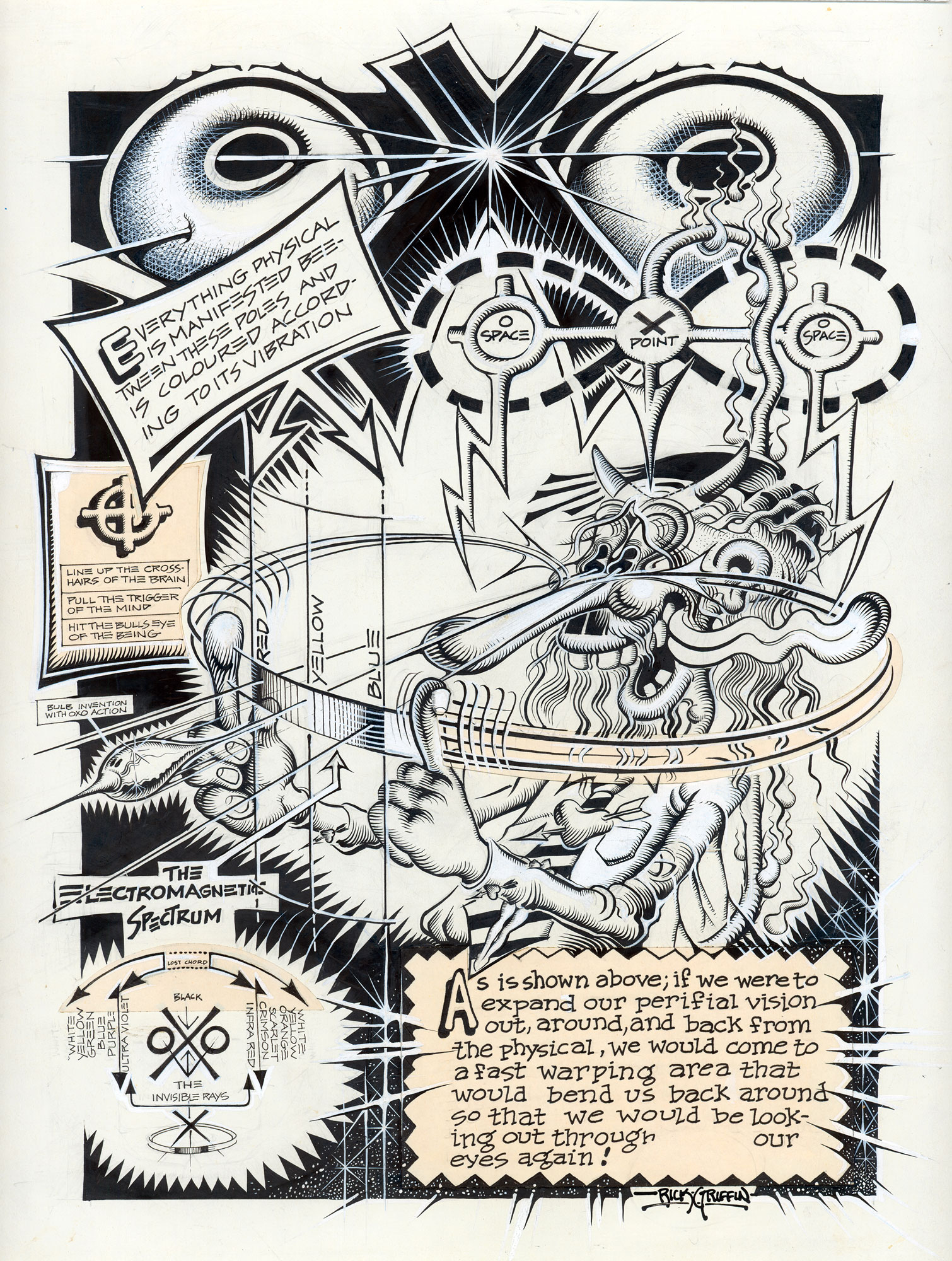
Photos & Art of Rick Griffin courtesy of The Chambers Project
In September of 2025, I received a text from my old friend Glen E. Friedman that read: “Yo Stacy, I’m gonna call you at 9 a.m., I got something VERY interesting for you, totally different w/ a good budget! You’re not gonna believe it!” At 9 a.m. the next morning, not a minute before nor a minute after, Glen’s voice launched out of the phone, full of fury and without so much as a greeting into a pitch that had him crazy excited. What he had was a documentary film with good financing and what he thought was a “perfect fit” for me. He insisted I get on the phone with an independent film producer, a friend of his and his two associates. I asked him what the film was and he told me it would be about the artist Rick Griffin. Without hesitation I told him no.
“Why are you saying no?” he asked. “The answer is no,” I repeated. “Are you kidding me? Why are you saying no to this, it’s just a phone call?” “Glen, I’m not interested.” “Just take the call!” My saying no was unacceptable to him. But no was my final answer.
Now the problem with saying no to Glen E. Friedman is like saying no to the psychopath Don Logan, the character played by Ben Kingsley in the rip-roaring English gangster film, Sexy Beast. Under no circumstances do you say no to Don Logan. And if you do, there’s going to be consequences, like whether you live or die. Now I’m not saying Glen is violent. He’s not. In fact, he’s a vegan. But he doesn’t take no for an answer and he can be persistent to the point of being fanatical. Legendary producer Rick Rubin who considers Glen a friend says he’s the most difficult person he’s ever worked with. Having worked with Glen myself, I tend to angle towards Rick’s opinion.
I’ve known Glen for most of my life. He was a 14-year-old teenager armed with a Pentax camera when he barged his way into becoming the second in command under Craig Stecyk photographing the early Dogtown skate scene. From there, Glen went on to documenting the very earliest days of punk rock and then did the same with the early days of hip hop music. He’s been at the starting point of three of the most culturally significant and rebellious art forms born in America and his photographs helped define all three. So it’s probably safe to say that only a fanatic could have accomplished such a feat. And Glen, like the gangster Don Logan, is a true fanatic.
He called me again the next day, “Just take the call!” “But Glen …” “Just take the call, Stacy! All I’m asking is for you to take the call!” “But Glen …” “Do it for me!! Just get on the phone with them!”
I love Glen and respect him dearly for all the work he’s done. But he’s a much better talker than listener and he didn’t care to hear a word I said. In fact, he had no interest in hearing anything I said unless the answer was yes. He followed this call with more calls throughout the day, but my answer remained the same and it wasn’t going to change. This was one time Glen was not going to get his way.
After two days and feeling as if my brain and body were covered in bruises, I sent a text to Glen: “I will get on the call with the team.” I CAVED. I one 100 percent caved into Glen E. Friedman just as he knew I would. I know Glen well enough to know that he was never going let up on me. Like a pit bull, when he bites, his jaw just won’t let go.
What Glen didn’t know was that I had legitimate reasons for not wanting to make a film about Rick Griffin. I already knew the project had been shopped around for decades. In 2001, shortly after I premiered my first documentary Dogtown and Z-Boys at the Sundance Film Festival, I was pitched the Griffin project by my friend and colleague Steve Barilotti. At that time, Steve was one of surfing’s top journalists and he had decided to make his own directorial debut with a documentary film about Rick. Steve and filmmaker Ira Opper spent the next 25 years trying to obtain financing. They even spent their own money shooting several interviews over those years and at times seemed close to getting funding, but it always fell through. So at some point, Steve either let go of the reigns or just got tired of the decades-long hustle.
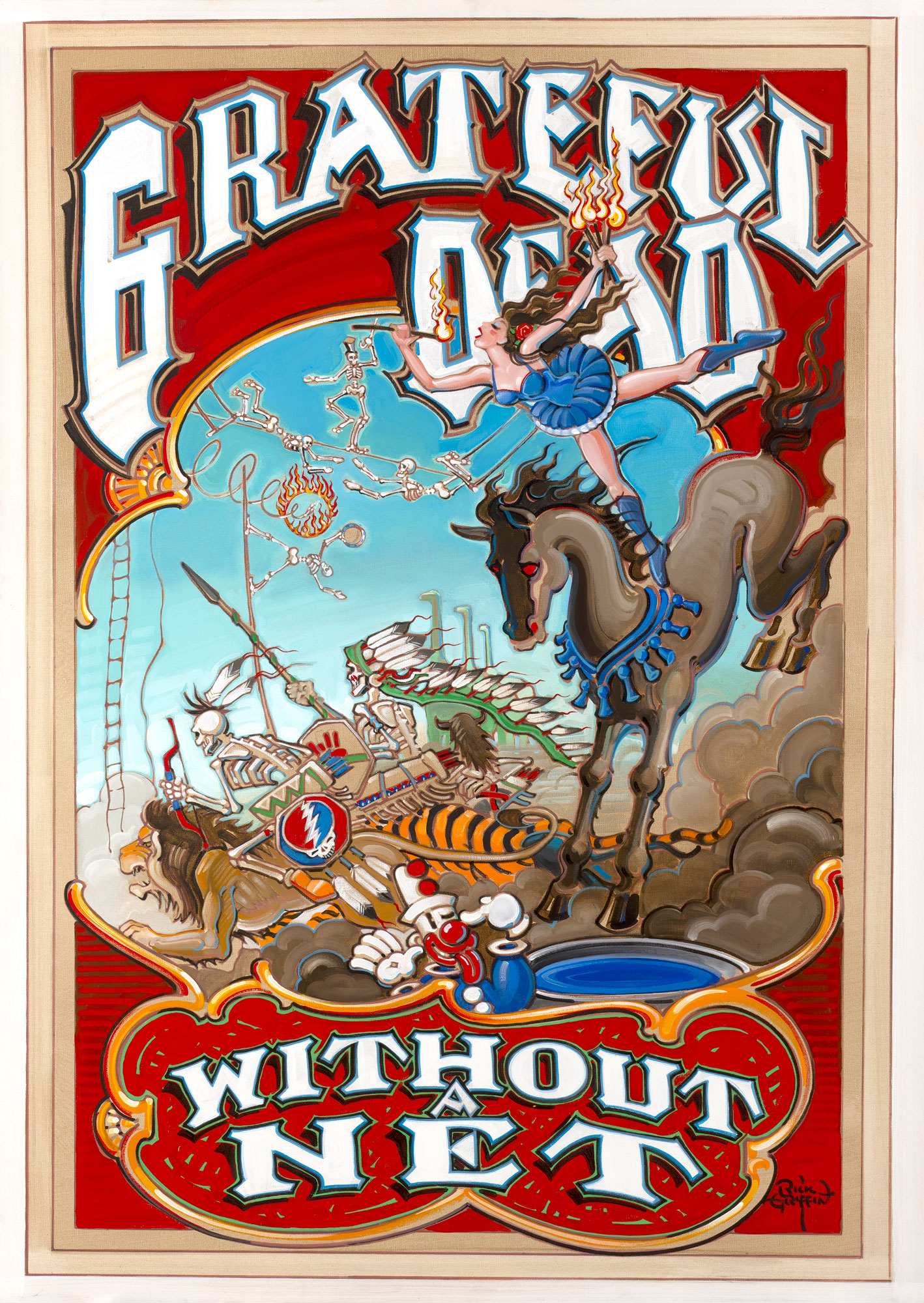
But there were two other reasons that turned me off to the idea. Every article I’d seen over the years featuring Rick Griffin always included the same five photos of him. It was as if those five photos were the only photos ever taken of his life. This left me with the assumption that there was very little documentation of Rick’s life. As a filmmaker, I need good documentation in order to make a film. How do you tell a story without visual evidence? You can’t make a film that consists primarily of talking heads. Can you imagine Dogtown without photographs and Super 8mm footage of us skating inside of empty swimming pools? I couldn’t have made the film.
The other issue was that Rick died in his mid-40s. His early death extinguished the possibility of a third act. He was just about to exit act two and enter act three when he crashed into a truck. How do you make a film about a character with no third act? The third act is where we resolve the story of someone’s life, where we come to terms with their decisions and maybe walk away with a new perspective or the ability to relate to their journey. Without a third act, there’s no closure.
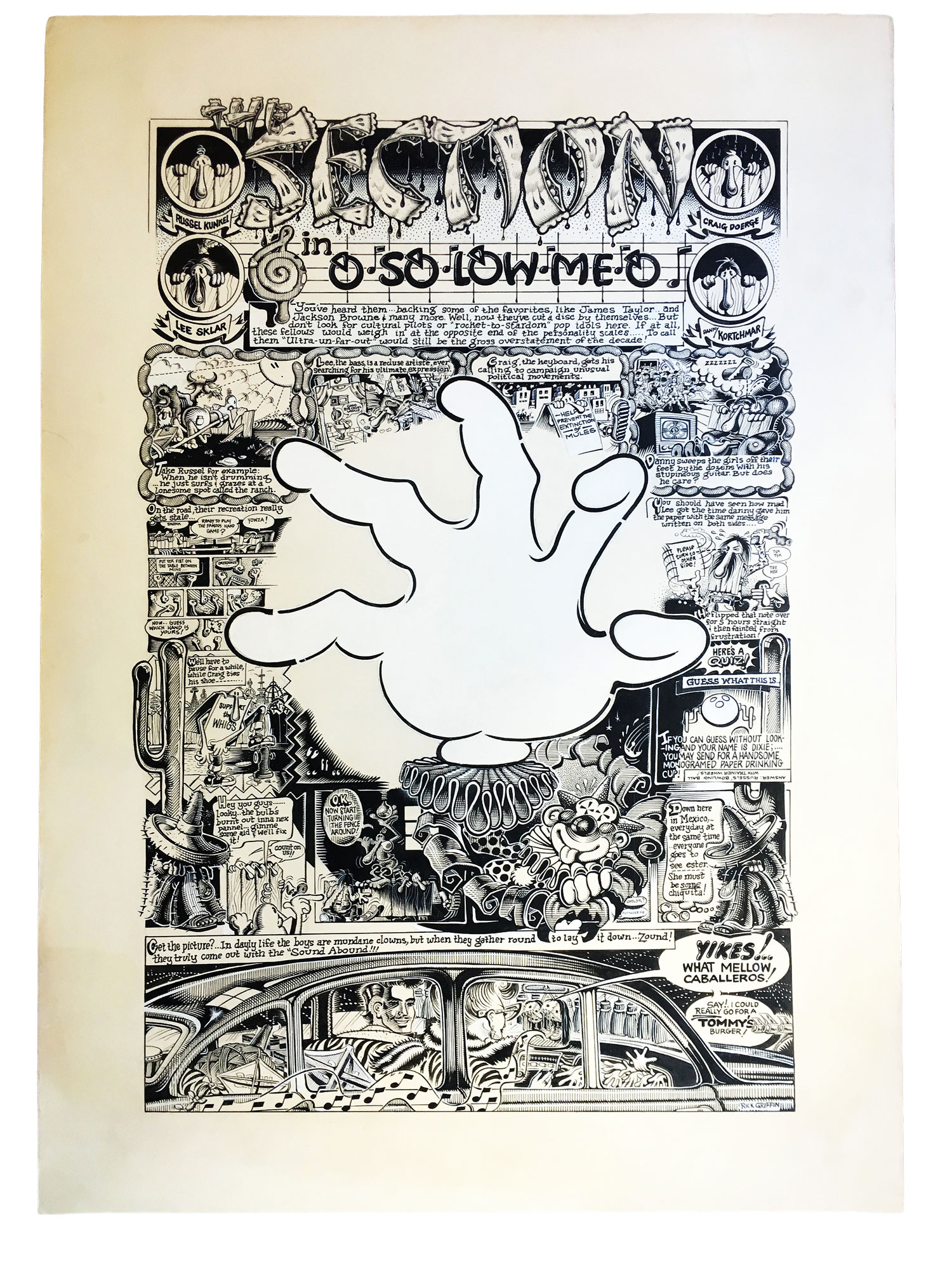
These were major problems as a filmmaker I didn’t know how to solve. And if there were solutions, then I felt finding them was above my pay grade. I therefore had no interest in getting on the phone with anyone trying to convince me otherwise.
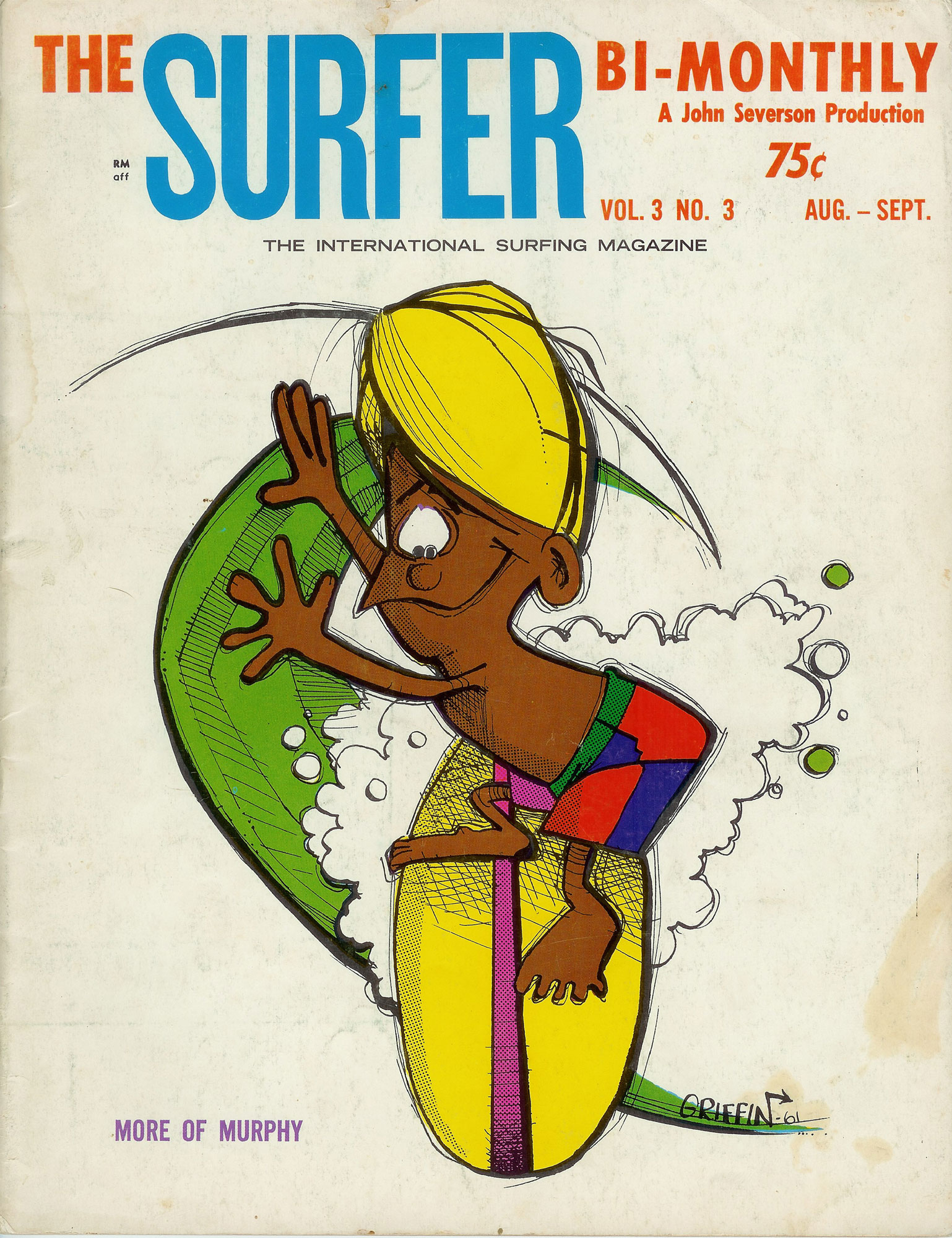
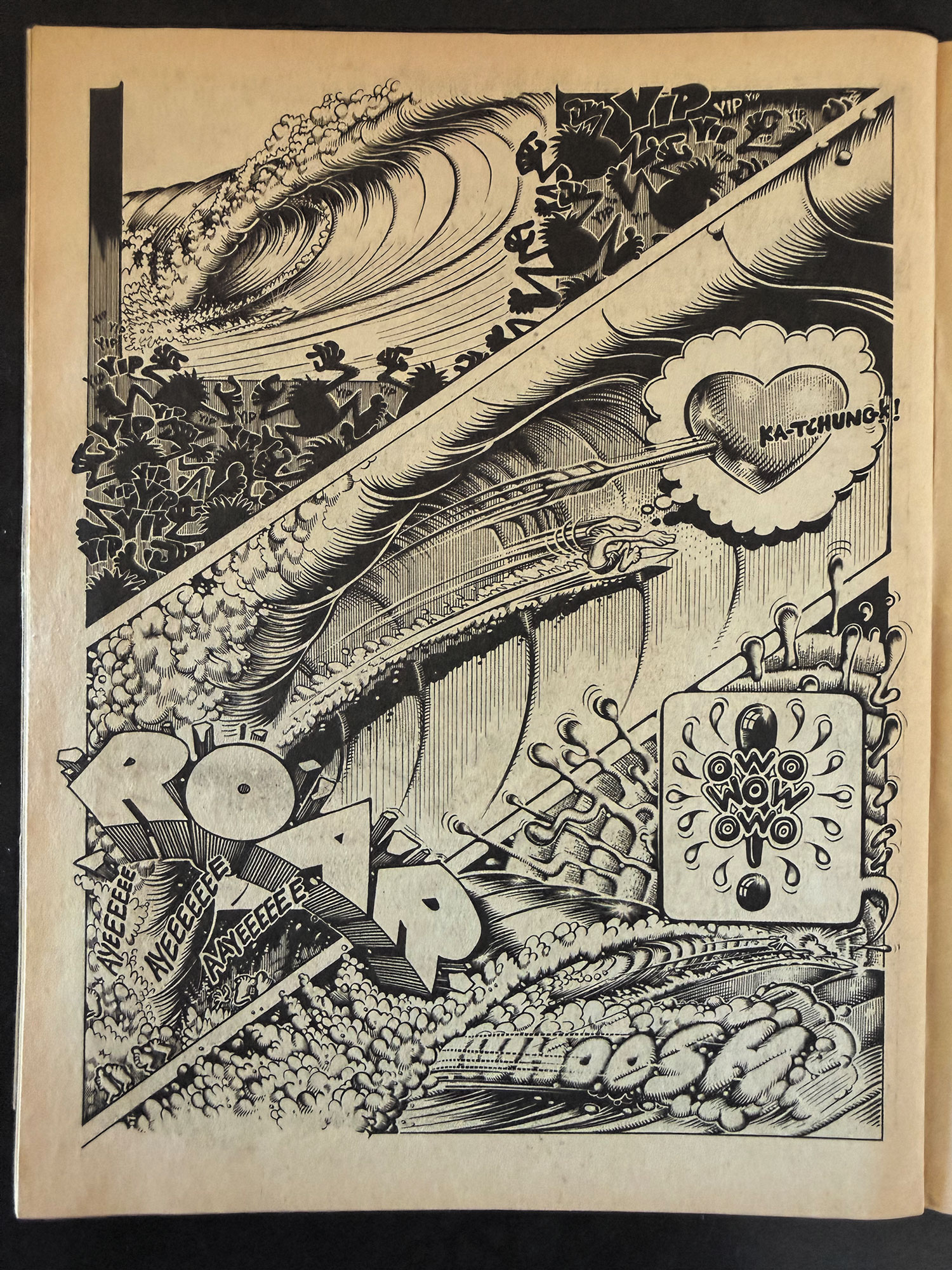
Strangely enough, I had always thought that Barilotti was a little naïve for wanting to make the film in the first place. But to be fair, I knew he had always had a soft spot for the early influence Rick had on his own life through the comics in Surfer Magazine. I will admit that I too had a soft spot for Rick’s talent. I first came upon his drawings in Surfer Magazine when I was an 11-year-old boy, which of course is a very tender and impressionable time in a young life. I learned to draw faces and people by studying the imagery of Mad Magazine, and I learned how to draw waves and surfers by studying the drawings of Rick in Surfer. To this day, I believe he captured the power and beauty of waves in ways no other artist ever has. There was a magical quality in his work that transcended the page as he drew with what seemed like a sixth sense, as if he could feel the water while drawing. I was transfixed by so many of his images. It’s fair to say that Rick Griffin was one of the first influences on my own budding artistic passions. Even still, as a filmmaker today, I couldn’t let nostalgia and sentiment be the motivating factors in deciding whether or not to make a film. I knew what I needed and I just didn’t see it.
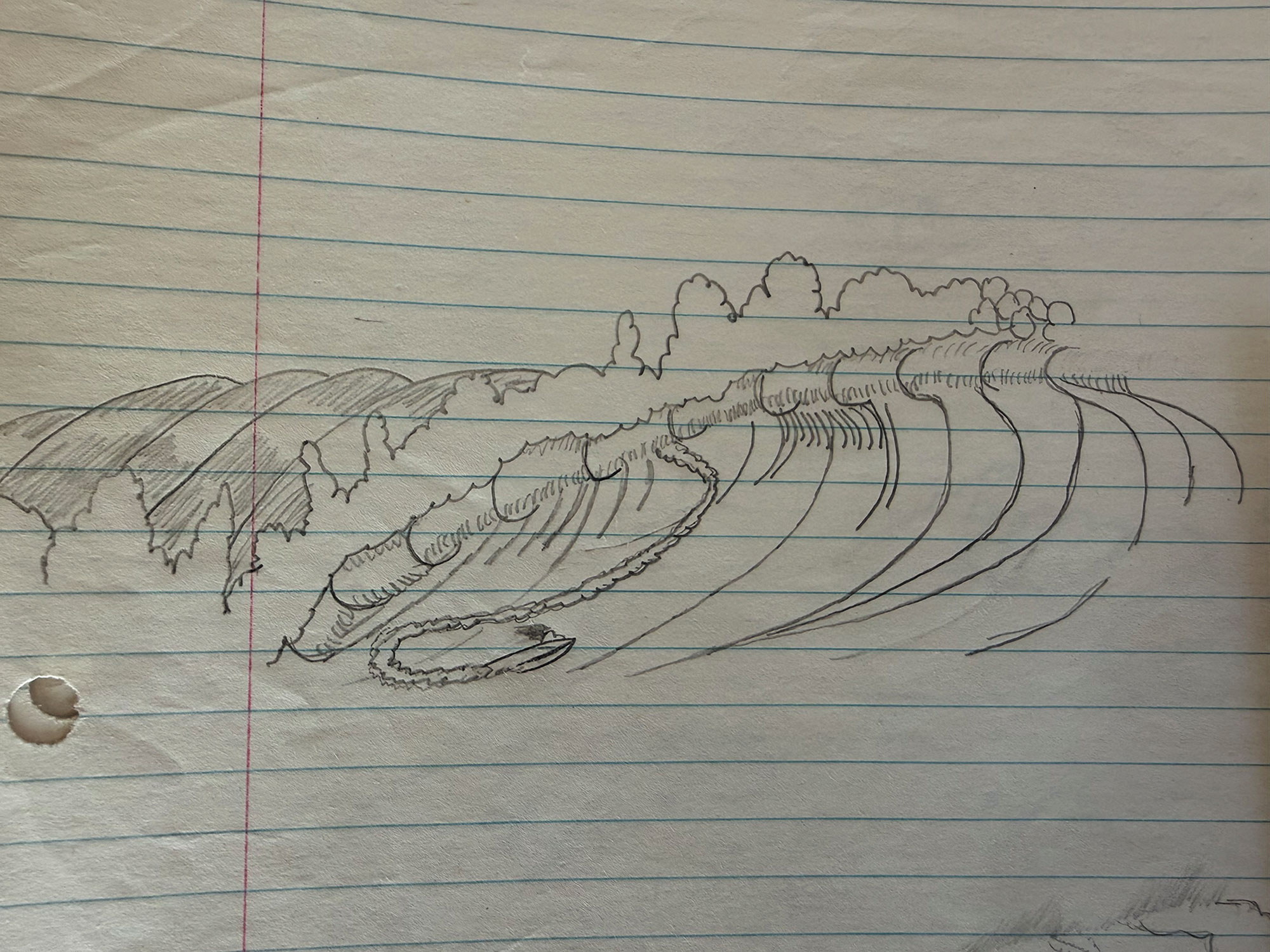
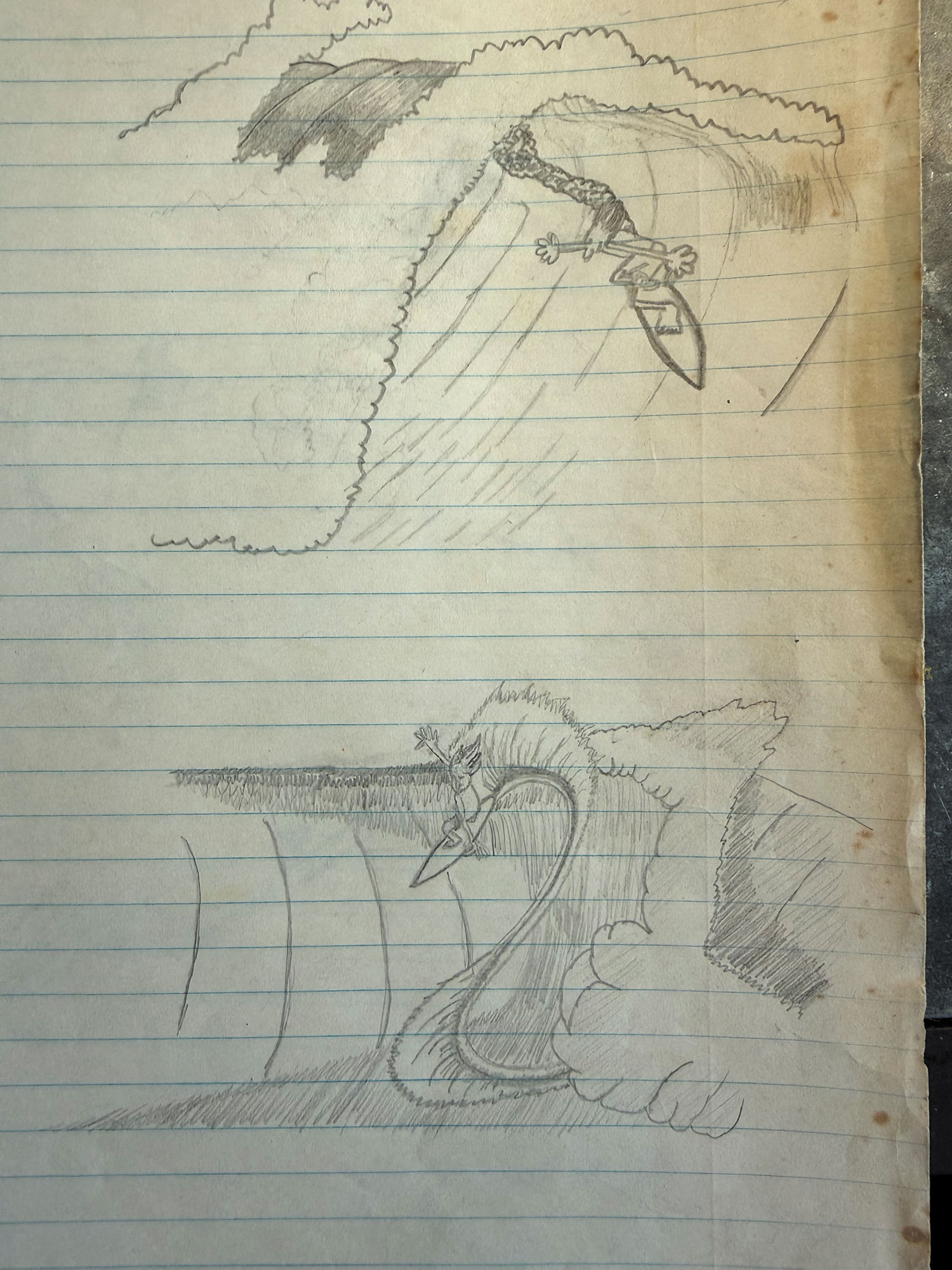
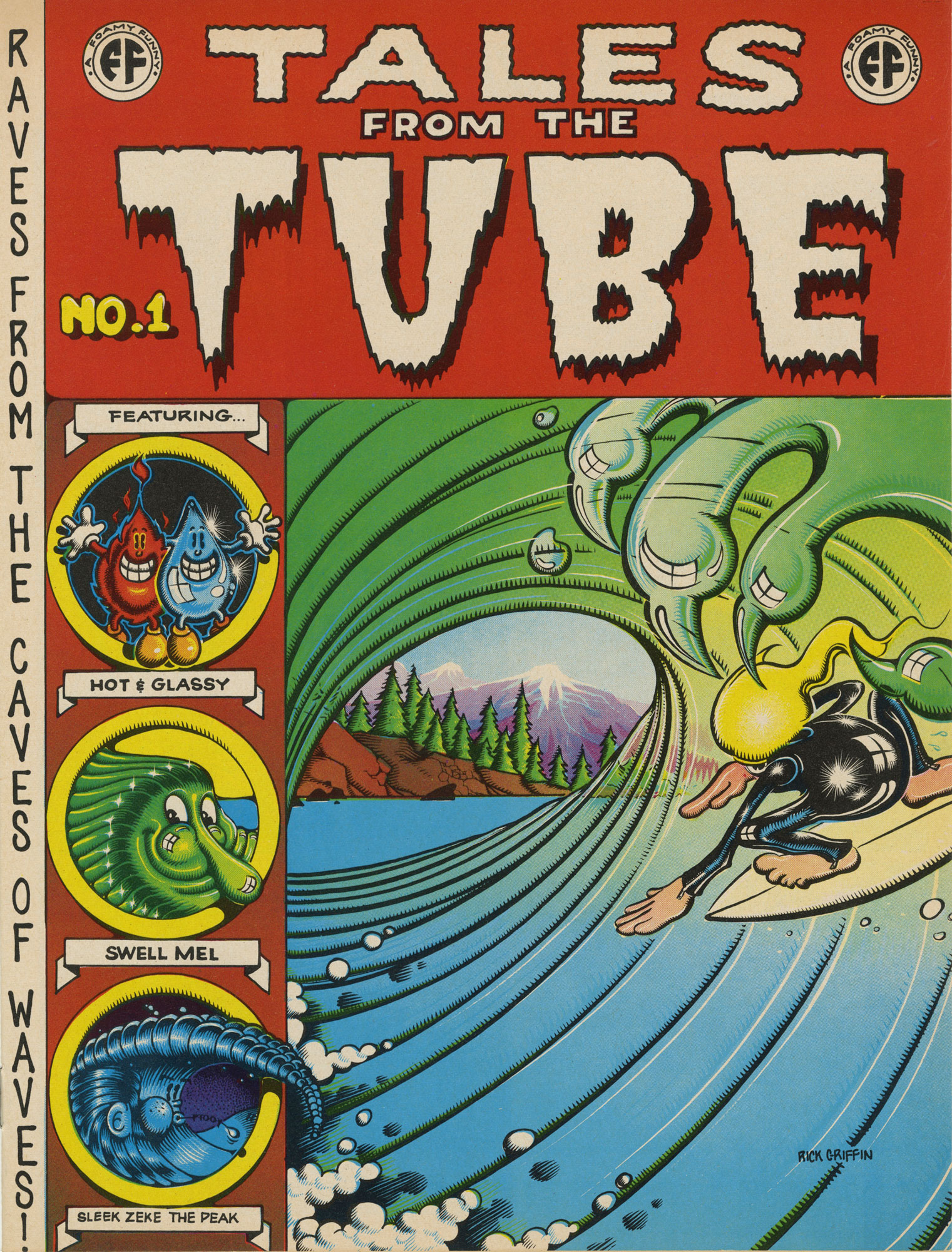
HOWEVER … had it been anyone else in the world other than Glen who was banging on me to take the phone call, I would never have agreed to it. But it was Glen and you just don’t say no to Glen E. Friedman.
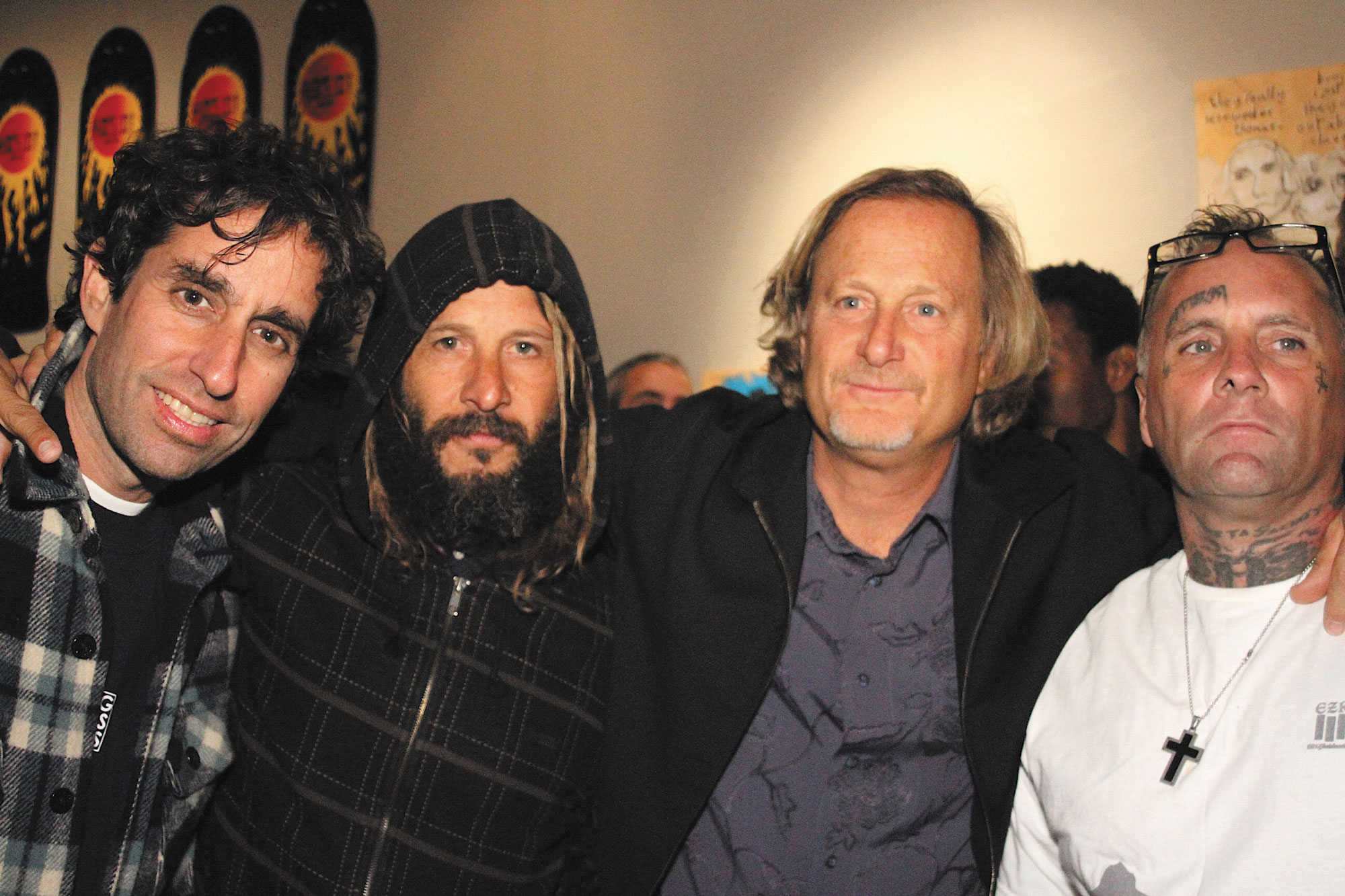
So a few days later, I took the call. It was a four-way call with the independent film producer Johnny Scalise, Hollywood special effects wizard Trevor Tuttle and art gallery owner Brian Chambers. These three individuals were connected in various ways and said they represented someone who had amassed the largest collection of Rick work in the world and that he had the money to finance a Griffin film.
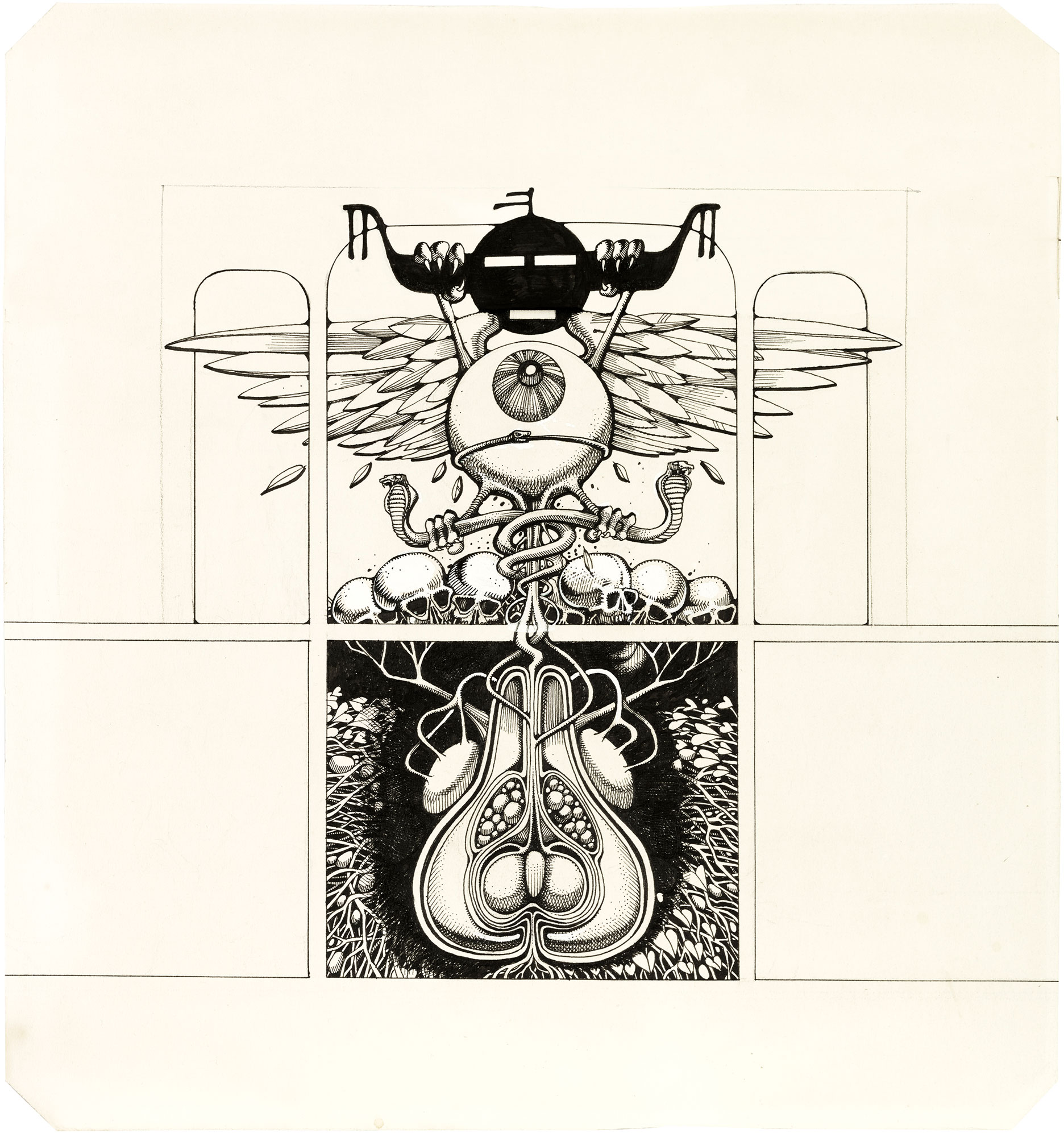
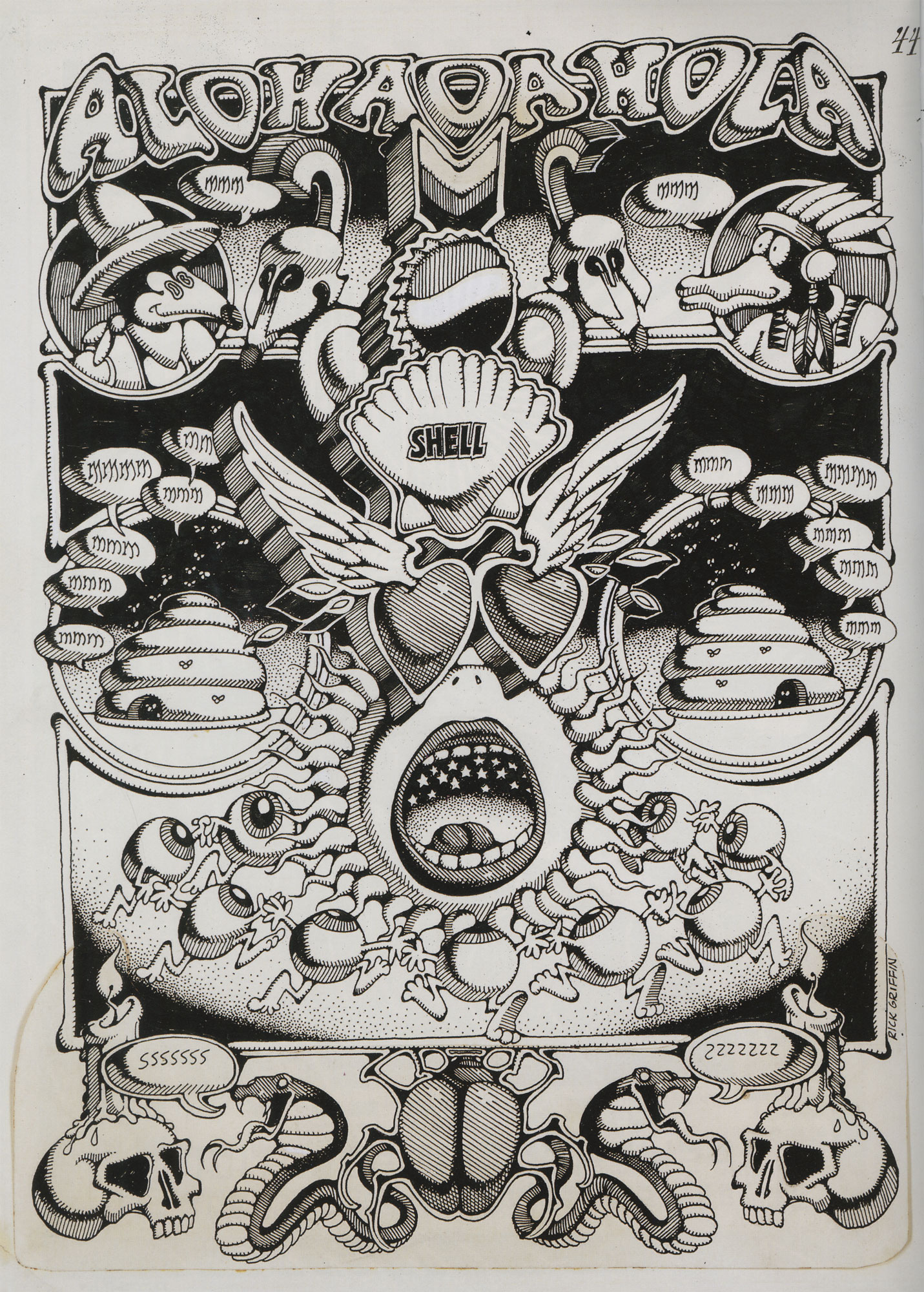
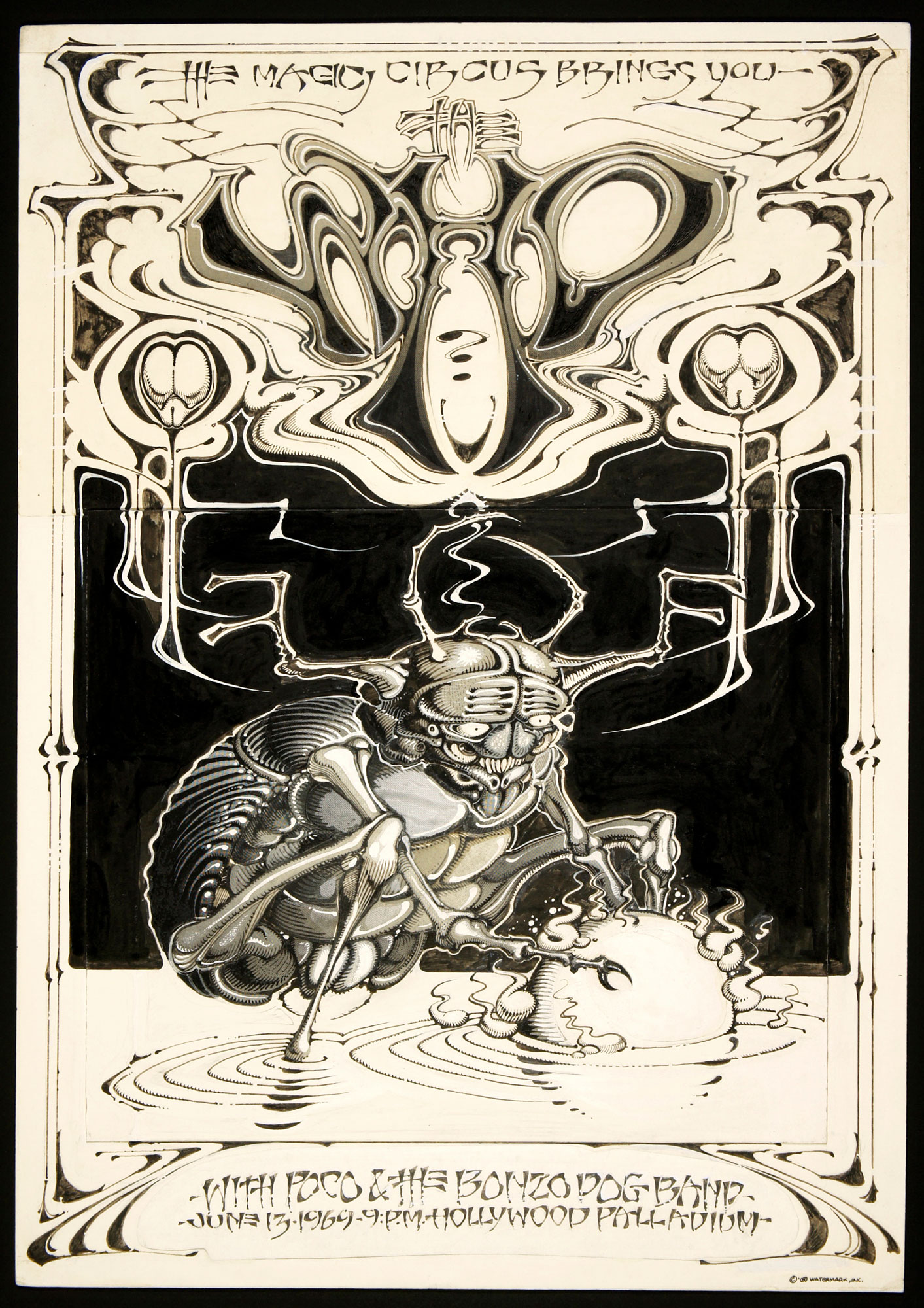
I don’t remember all that was said, but I do remember how at ease I felt with these three from the get-go. Their performance on the phone was not the typical Hollywood fast-talking hyperbolic nonsense I was used to hearing. All three spoke softly and yet with enthusiasm, and from a position I could tell had been hard-earned from years of wading through the trenches of independent filmmaking. Their collective humility and experience had the affect of softening me.
I told them my two fears regarding the film and how troubled I was by them. They said they understood. I told them that though I didn’t think I could get involved in the way they wanted me to, that I could help them put a team together that could produce the film. I relayed that perhaps once the team was in place I could act as a distant producer but have none of the day-to-day responsibilities of running the film. They accepted my offer and I went to work finding the necessary people.
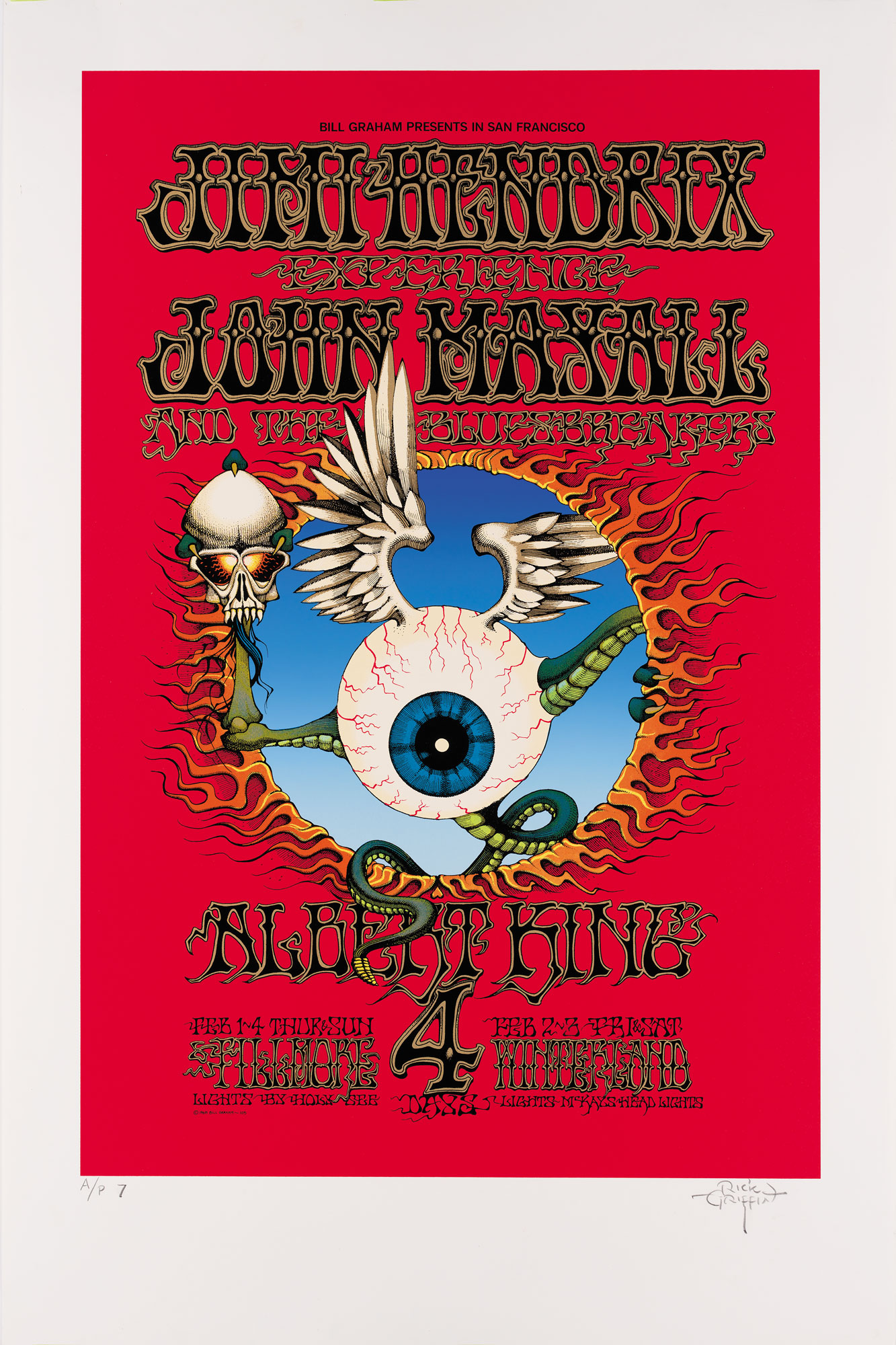
I spent the next few months reaching out to various filmmakers I’ve worked with over the years: Josh Altman who edited my film Bones Brigade: An Autobiography and Paul Crowder who edited my films Dogtown and Z-Boys, Riding Giants and The Yin And Yang of Gerry Lopez. I then reached out to Sam George, my sometimes writing partner who co-wrote two of my films with me, Riding Giants and Crips and Bloods: Made in America. He and I also won an Emmy for a film I produced and he directed called Hawaiian: the Legend of Eddie Aikau. Various combinations of these three were considered: Sam and Josh would co-direct with someone else editing, but then Josh fell out due to another project. Then Sam and Paul might co-direct with Paul editing. This merry-go-round of changing positions and changing people went on for about six weeks.
During that time, I told Sam he needed to solve the two big problems plaguing the film: How do we make up for the dearth of photos and how do we make up for the lack of a third act? Within a few weeks Sam came to me with some surprising news. He had reached out to Rick’s daughter Flaven and it turns out there were hundreds of photos taken of Rick that the family had been quietly amassing over the years. To a documentary filmmaker this was a jackpot, like finding a pot of gold at the end of a rainbow.
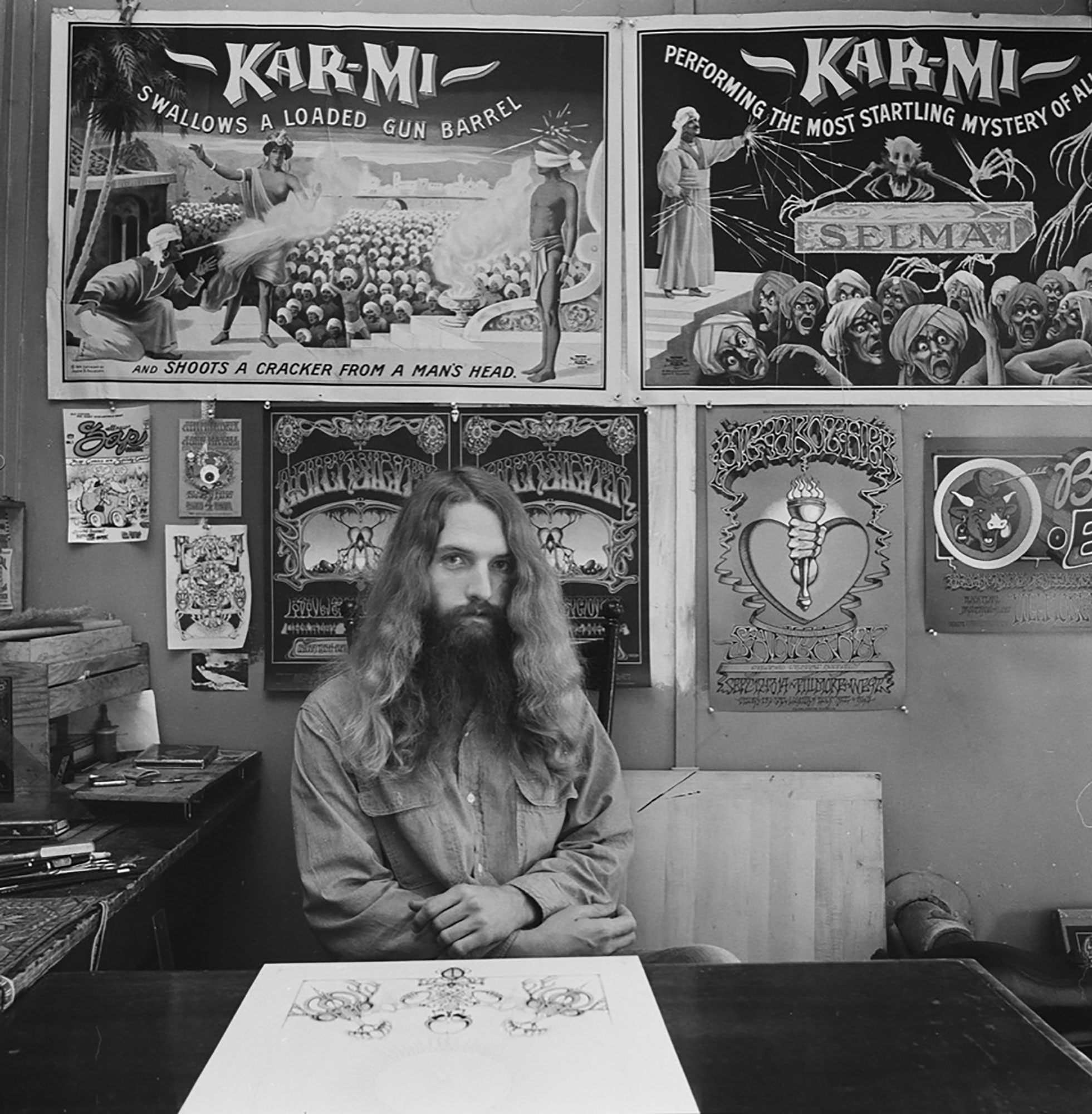
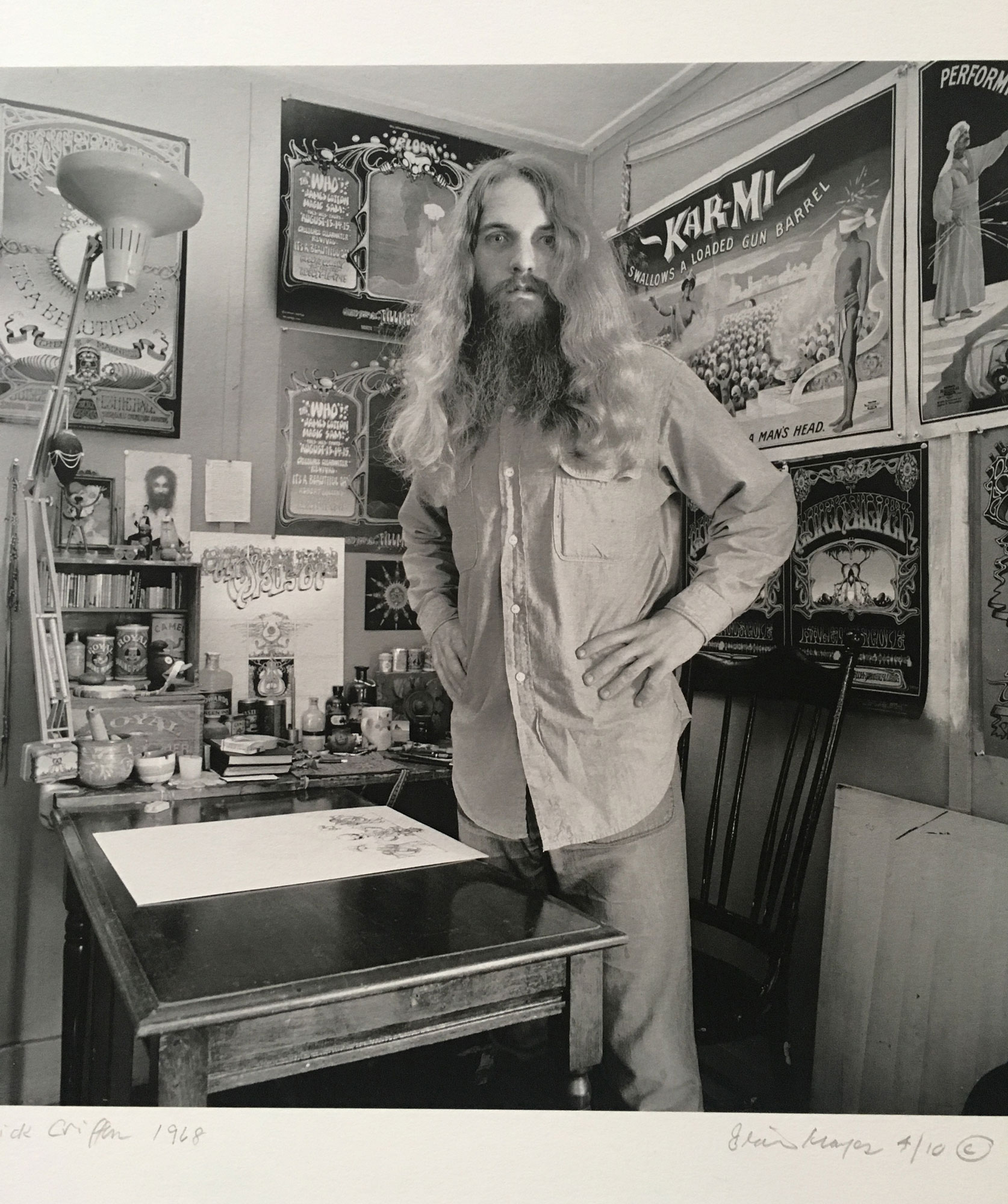
The photos Sam presented to me were comprehensive, vivid and phenomenal. Suddenly this film, which days ago seemed an impossibility was becoming a possibility. Sam also figured out the true third act of Rick’s life. I won’t mention it is here because I don’t want to give it away, but that revelation evaporated the doubt in my mind that I could do this.
As I got more involved in putting a team in place I found myself getting more involved in the film itself. Unbeknownst to me, the story had taken root and sprouted up inside of me. I began daydreaming about the film all day long and creative sparks started blowing up inside of me. I was being pulled toward the film the same way the sun pulls the earth. It was pure filmmaking gravity and I was going to end up working on the film whether I liked it or not.
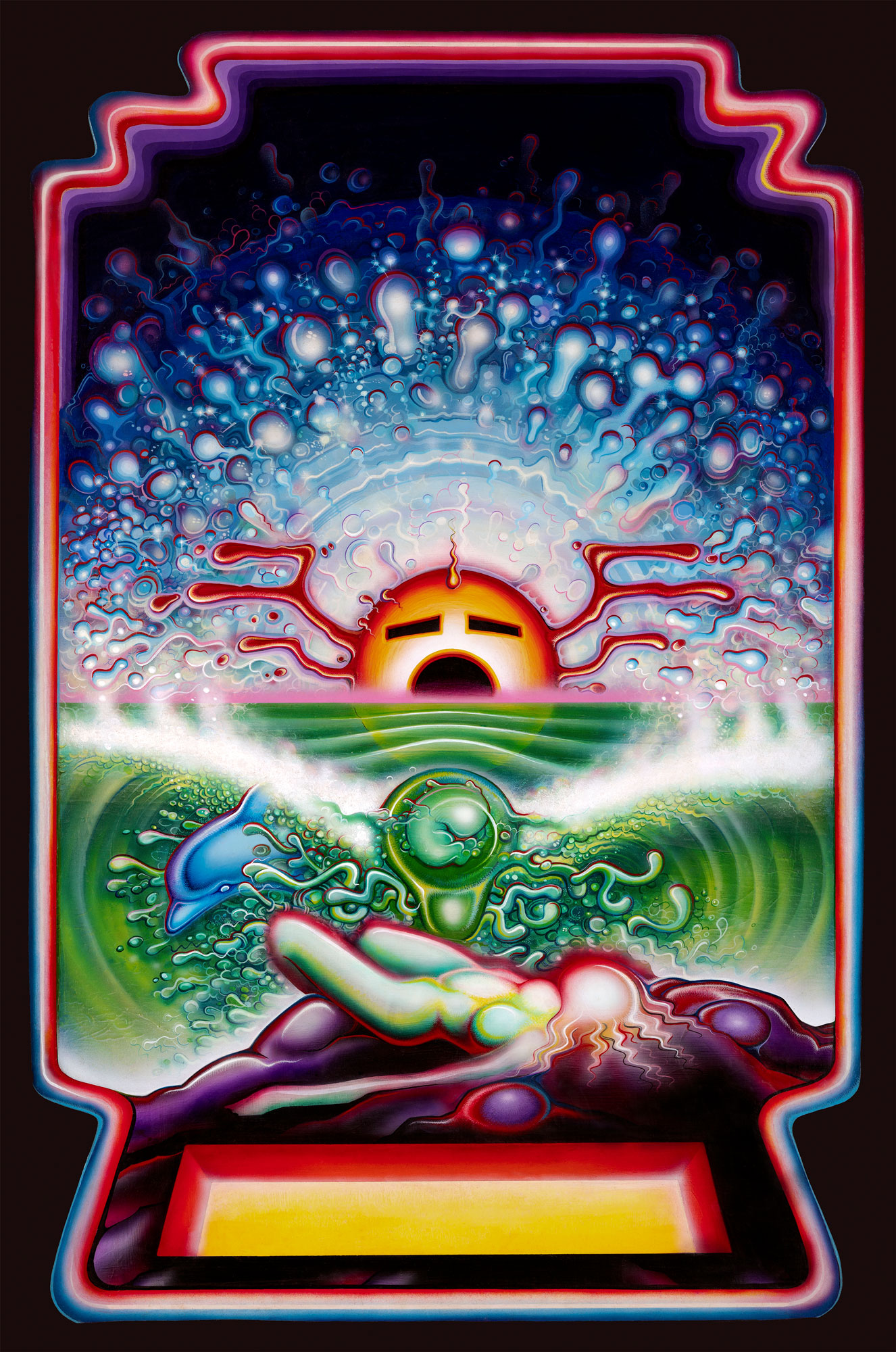
It’s early September 2026 and we are now three quarters of the way through production and it’s become one of the best filmmaking experiences of my career. The Griffin film is unlike any film I’ve made. I enjoy the day-to-day creative problem-solving and I love the story that the film is telling. I am entirely grateful that I didn’t stand my ground with Glen and that I caved into his maniacal persistence. I also accept the realization that I can never again say no to Glen E. Friedman.
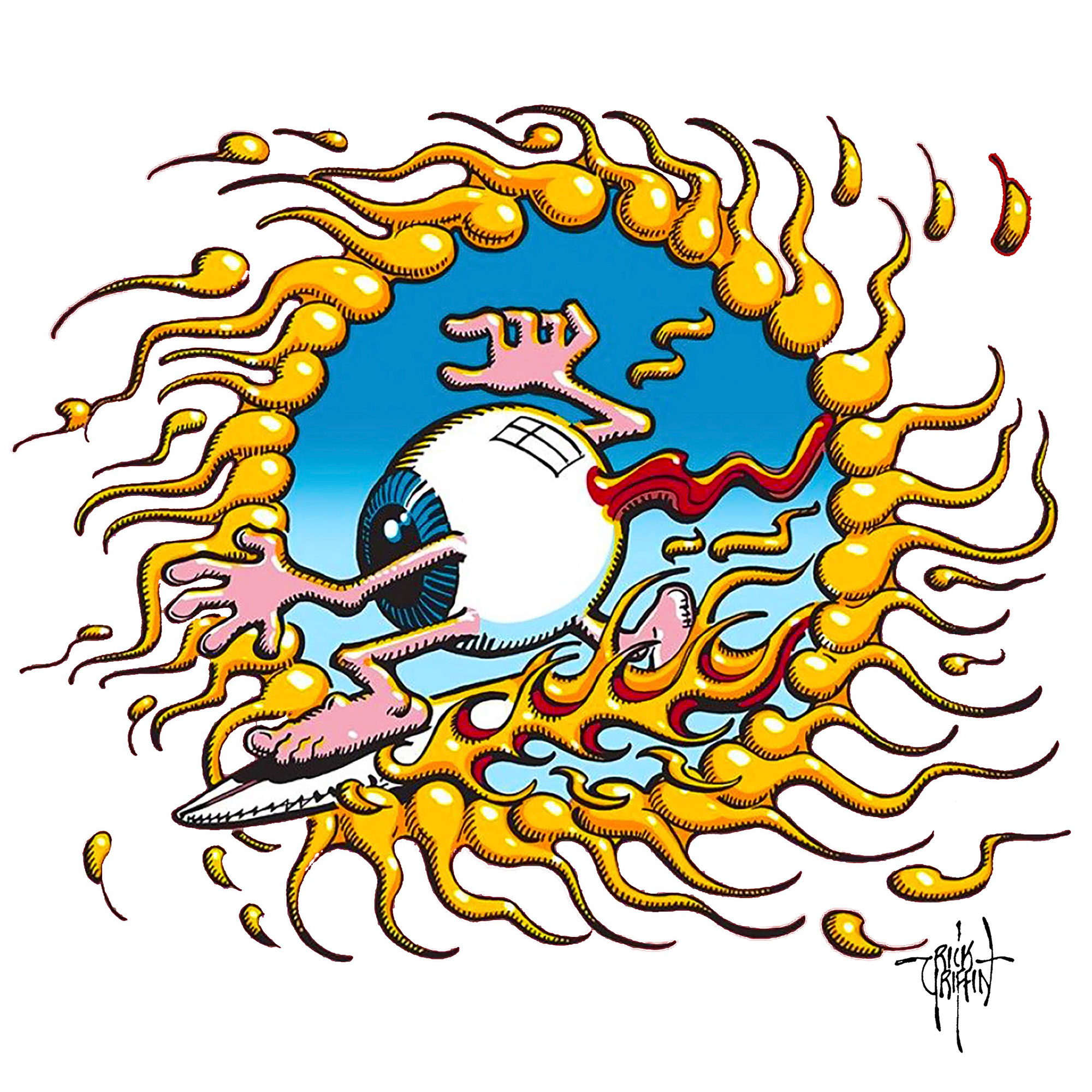
We will be done with the film by December 2026. It is our hope to premier it at some of the better film festivals in the world next year and getting a sale to one of the studios or streamers.
See more by Rick Griffin on Instagram | Website
Stacy Peralta is a film director, artist and legendary skateboarder and surfer with the Zephyr Competition Team, also known as the Z-Boys, from Venice, California. Follow him on Instagram for more work, and to stay update on the Rick Griffin documentary and to see more of his work.
Special thanks to The Chambers Project for providing artwork & photos of Rick Griffin. Follow Founder Brian Chambers on Instagram to see more.
Check out Stacy’s last install, Guerrilla Painting with Mike Shine, or head to our Explore section to see more of his work.